
Sustainable Procurement: A Designer's Guide to Ethical Sourcing
Navigate the world of sustainable materials and ethical suppliers without compromising on design quality or budget constraints.

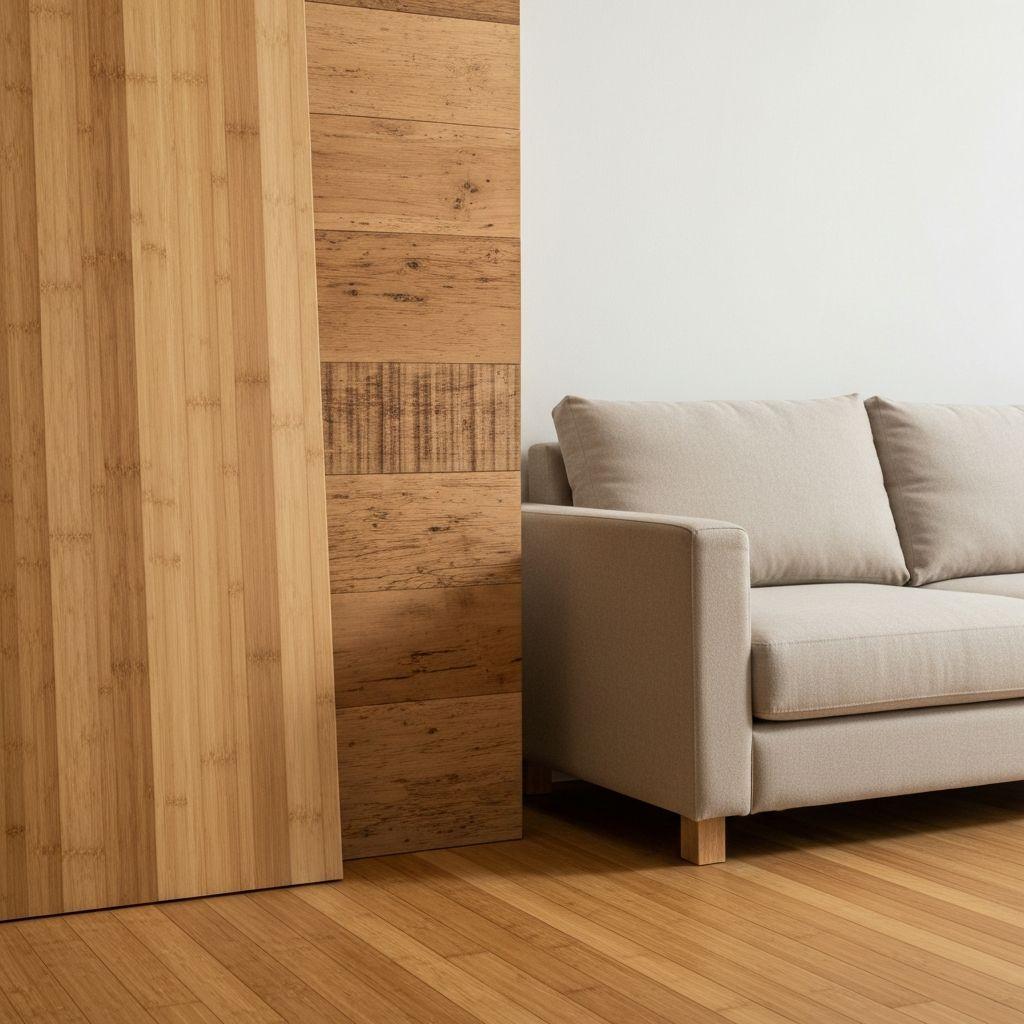
Sustainability has moved from a nice-to-have to a client expectation. More and more briefs now ask how a scheme was sourced, not just how it looks. The challenge for designers is doing this well without drowning in certifications or blowing the budget. Handled properly, ethical sourcing is a mark of quality, not a compromise.
What sustainable sourcing actually means
Sustainable procurement is broader than choosing recycled materials. It runs across the whole supply chain: how a product is made, who makes it, how far it travels, how long it lasts, and what happens at the end of its life. A durable, repairable piece from an ethical maker often does more good than a "green" product that needs replacing in five years.
Build a supplier network you trust
Start with the suppliers you already use. Ask about their materials, manufacturing, and certifications, and keep a note of the answers. Recognised marks are a useful shortcut: FSC for timber, Cradle to Cradle across a range of materials, and established fair-trade schemes for textiles.
Keep a living materials library
Curate your vetted sustainable products into a library organised by category, budget, and credentials. When a client asks for a greener option, you want to answer in seconds, not spend an afternoon researching from scratch. A well-kept library also speeds up specification on every project, sustainable or not.
Sell the value, not just the price
Sustainable products can cost more up front, so frame them on lifetime value: durability, healthier interiors, lower replacement cost, and a story the client is proud to tell. Talk about what a piece costs to own over ten years, not only what it costs to buy today.
Start small and prove it
You do not need to overhaul your practice overnight. Pick one category, perhaps textiles or lighting, and build a strong set of sustainable options there. Track how clients respond, then extend the approach. Modern procurement tools help by holding supplier credentials, pricing, and lead times against every product, so the sustainable choice is also the easy one.
Done with care, sustainable design is simply good design. It attracts the clients you want, sets your studio apart, and produces work that lasts, aesthetically and environmentally.
Ready to transform your studio?
Streamline your studio's workflow from first brief to final invoice with Techstyles.